

[CSH Seminar] The Case for Dalit Reparations (A. Thorat)
The Centre de Sciences Humaines is pleased to invite you to the CSH Seminar
by
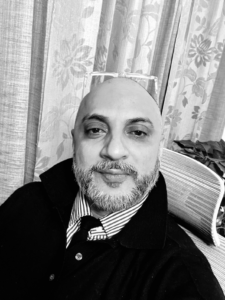
Amit THORAT
(Jawaharlal Nehru University)
on
The Case for Dalit Reparations
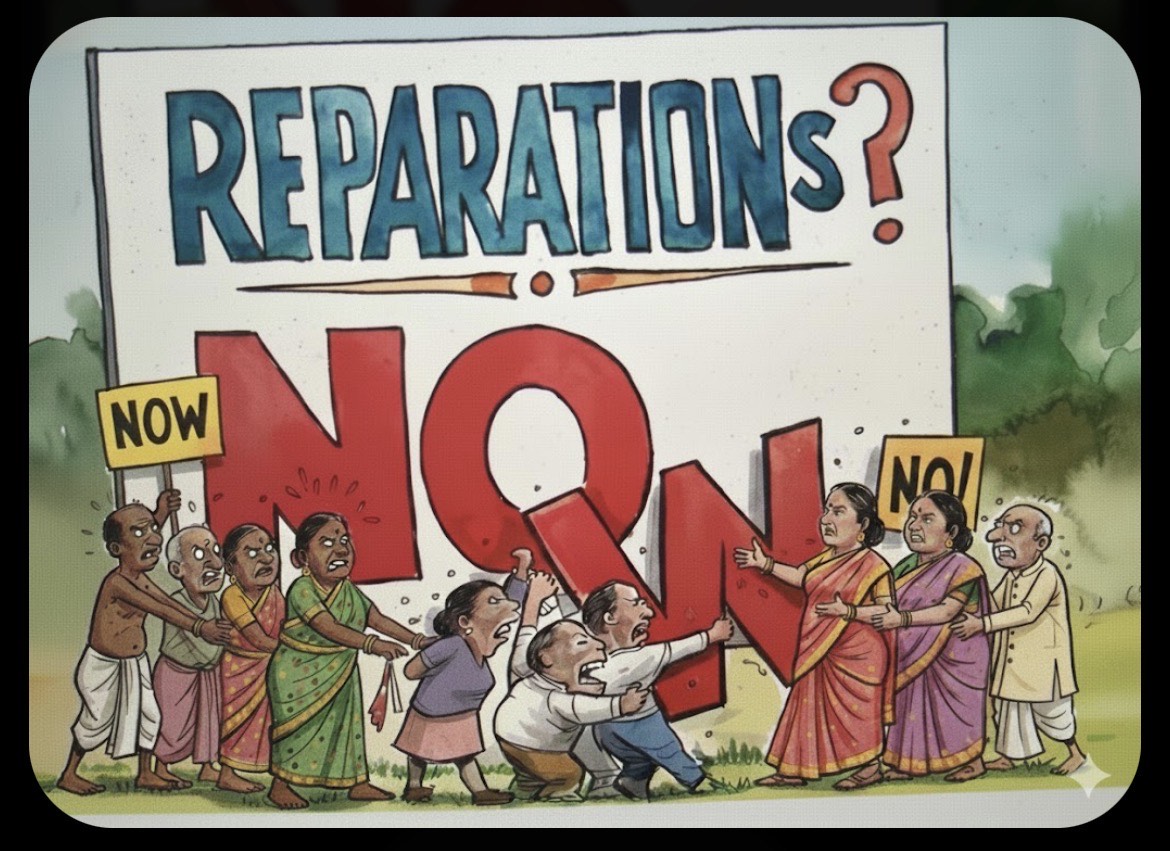
Followed by a discussion with Harish Wankhede
On
Thursday, 22 January 2026, from 5:00 pm to 6:30 pm IST
At
Centre de Sciences Humaines
IFI-CSH conference room (ground floor)
2 Dr. APJ Abdul Kalam Road, New Delhi – 110011
To register: Please fill out the registration FORM
Abstract:
Reparations as a policy measure has been widely used the world over to compensate individuals, groups and communities for historic and continuing wrongs that they have been subjected to. From reparations being paid by Germany to Jewish survivors of the holocaust, to Canadian and New Zealand governments paying reparations to the native communities, in recent time, still other communities have been demanding reparations in addition to affirmative action policies. This talks makes a case for reparations to be paid to the ex-untouchables and ex-cast-enslaved and their descendants, in South-Asia and India in particular, who have faced exclusion, discrimination and loss of economic, political, social, civil and human rights for the longest period in history.
Speaker:
For more info contact:
joel[dot]cabalion[at]csh-delhi[dot]com
co[dot]lefevre[at]csh-delhi[dot]com
CSH Seminars are in hybrid mode. Please pre-register for offline and online registration before Wednesday, 22 January, 2:00 p.m. IST.
To attend at the venue: Please note the room capacity is limited. Seats will be reserved on a first-come first-served basis. Kindly bring ID proof to be granted access to the venue.
The recording of the seminar is available on the CSH YouTube channel.


